
Unlock Your Movement Potential
Discover how targeted nutrition transforms your joint health, mobility, and daily comfort. Learn the science-backed strategies that help you move freely at every age.
Six Pillars of Joint-Healthy Nutrition
These core elements work together to support your mobility, flexibility, and long-term joint function through dietary choices and lifestyle habits.
Hydration & Fluid Balance
Proper hydration maintains synovial fluid in your joints, reducing friction during movement. Learn how consistent water intake, herbal infusions, and mineral-rich broths support optimal joint lubrication and flexibility throughout your day.
Antioxidant-Rich Foods
Colorful vegetables, berries, and whole grains provide protective compounds that support your body's natural recovery mechanisms. Discover which seasonal produce offers the greatest benefit for maintaining healthy joint tissue and preventing wear.
Omega Fatty Acids
Fish, seeds, and plant oils deliver essential fatty acids that support healthy function at a cellular level. Learn how to incorporate these nutrients into everyday meals to enhance your body's natural mobility and support active living.
Protein & Amino Acids
Quality protein is the building block for maintaining tissue integrity and supporting muscle strength around your joints. Explore diverse protein sources—from legumes to poultry—that fit your dietary preferences while boosting mobility.
Vitamin D & Minerals
Calcium, magnesium, and vitamin D work synergistically to support bone density and joint stability. Discover natural food sources and smart supplementation strategies that keep your skeletal system strong year-round.
Movement & Active Living
Nutrition alone is not enough—consistent, mindful movement activates all the benefits of healthy eating. Learn physiotherapist-approved warm-ups, safe exercises, and daily movement practices that work in harmony with proper nutrition.
The Science Behind Joint-Healthy Nutrition
Your joints are complex structures requiring constant nourishment to maintain their function. Every movement you make—walking, reaching, sitting—depends on healthy cartilage, strong connective tissue, and optimal synovial fluid. The foods you choose either support or challenge this delicate system.
Research shows that specific nutrients work together to promote joint resilience. When you combine proper hydration, antioxidant-rich meals, quality protein, and healthy fats with consistent, safe movement, your body's natural mechanisms flourish. This isn't about quick fixes—it's about building sustainable habits that protect your mobility for decades.
Whether you're an athlete seeking to enhance performance, someone recovering from reduced activity, or a person committed to active aging, understanding how nutrition supports joint health empowers you to make choices that feel good and work for your lifestyle.
Physiotherapist-Endorsed Strategies: Evidence-based movement and nutrition guidance from qualified professionals.
Practical, Everyday Application: Real recipes, meal ideas, and movement routines you can start today.
Long-Term Joint Preservation: Focus on sustainable habits that protect mobility as you age.
Community Support: Connect with others on the same journey toward better movement and health.
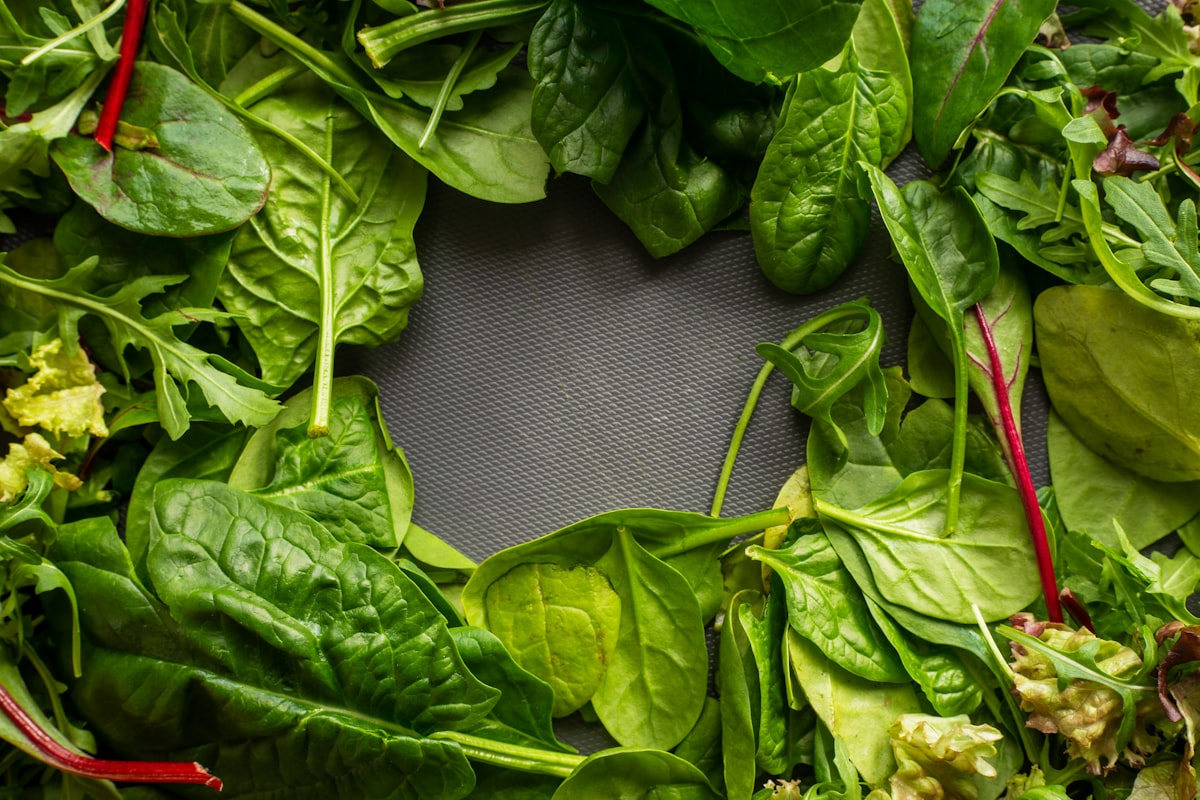
Fresh, whole foods are the foundation of joint-supporting nutrition
Joint-Friendly vs. Joint-Challenging Habits
See how simple dietary and lifestyle changes can shift your trajectory toward better mobility and comfort.
Joint-Supporting Practices
- Regular hydration with water, herbal tea, and mineral-rich broths
- Meals rich in colorful vegetables, berries, and whole grains
- Varied protein sources: fish, legumes, poultry, eggs, nuts
- Healthy fats from olive oil, avocado, seeds, and fatty fish
- Daily light movement: walking, stretching, mobility exercises
- Proper posture during sitting, standing, and walking
- Adequate sleep and stress management for natural recovery
- Warm-up before exertion and mindful movement transitions
Habits to Reconsider
- Chronic dehydration and insufficient fluid intake
- Excessive processed foods high in refined sugars and unhealthy fats
- Inadequate protein consumption leading to weakened support structures
- Prolonged sedentary periods without movement breaks
- Sudden intense activity without proper warm-up and conditioning
- Poor posture habits that place uneven stress on joints
- Chronic sleep deprivation impeding tissue repair and recovery
- Persistent high stress without adequate relaxation practices
The key insight: Small, consistent changes in how you eat and move compound over time. You don't need perfection—you need awareness and gentle, sustainable shifts toward habits that serve your long-term mobility.
Your Path to Better Mobility
Follow this practical framework to integrate joint-supporting nutrition and movement into your daily life.
Assess Your Current Habits
Spend one week observing your daily patterns without judgment. Notice how much water you drink, what meals typically look like, how much you move, and how your joints feel at different times of day. This baseline awareness is your foundation for meaningful change.
Start With One Pillar
Choose one area to focus on first—perhaps increasing daily hydration or adding more colorful vegetables to meals. Master this one habit for 2-3 weeks before adding another. This gradual approach builds lasting change rather than overwhelming yourself with too many changes at once.
Add Safe, Consistent Movement
Introduce light joint warm-ups and gentle mobility exercises tailored to your current activity level. This might be a 10-minute morning routine, walking breaks during sedentary work, or stretching while watching television. The goal is consistency, not intensity. Listen to your body and adjust as needed.
Integrate All Pillars Gradually
As your first habit becomes automatic, add another pillar—improved protein intake, increased antioxidant foods, or attention to posture during daily activities. After 4-6 weeks of consistent practice, you'll notice these habits feeling natural rather than effortful, and you can layer on additional practices.
Monitor Progress and Connect
Track how you feel—energy levels, morning stiffness, ease of movement, general vitality. Connect with our community to share insights, discover recipes, learn new exercises, and stay inspired. Many people find that seeing others' journeys strengthens their own commitment.
Common Questions About Joint Nutrition
Find answers to questions about how nutrition supports mobility and joint health.
Changes happen gradually but compound over time. Most people report feeling more energetic and noticing easier movement within 2-3 weeks of consistent hydration and light daily movement. More significant improvements in flexibility and overall comfort typically develop over 6-12 weeks as nutrition and exercise work synergistically. Remember, you're building long-term joint resilience, not seeking overnight transformation.
What Our Community Says
Sarah M.
Triathlete, Age 32
"MobilityFlowNutrition's integrated approach transformed how I recover. Better hydration timing + mobility work = faster gains and fewer injuries."
James T.
Desk Worker, Age 45
"After sitting all day, their mobility routines gave me back my flexibility. Paired with better nutrition, I feel 10 years younger."
Maria L.
Fitness Enthusiast, Age 28
"The science-backed nutrition guidance + mobility sequences are game-changers. I'm stronger, more mobile, and finally understand how they work together."
Ready to Transform Your Movement & Nutrition?
Join thousands who've integrated mobility, nutrition, and hydration into a sustainable lifestyle. Your body will thank you.